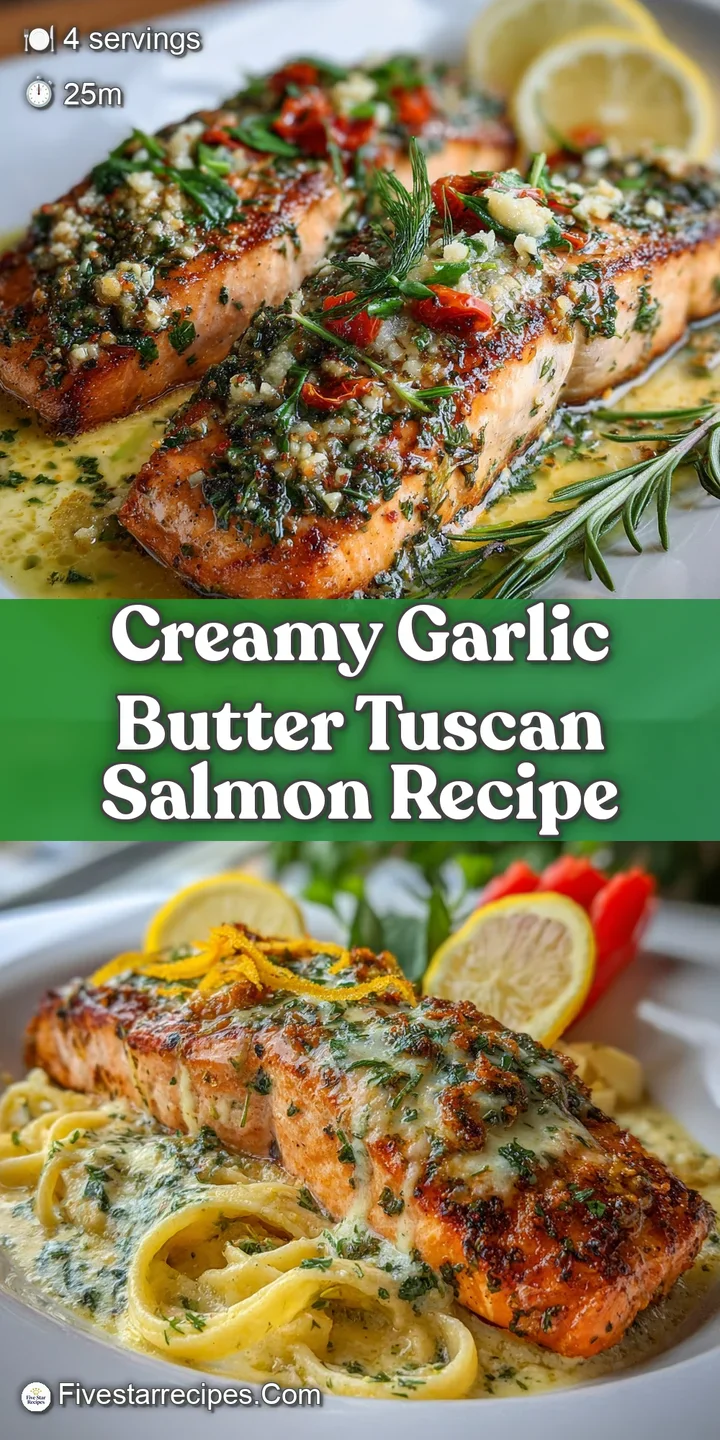
Creamy Garlic Butter Tuscan Salmon Recipe: Silky Fillets
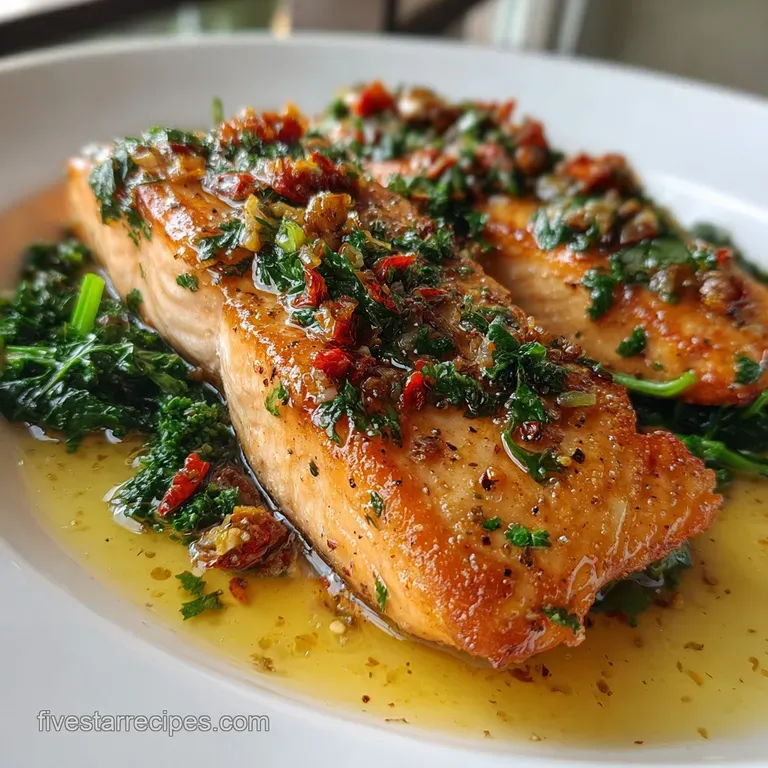
- Time: Active 10 minutes, Passive 15 minutes, Total 25 minutes
- Flavor/Texture Hook: Flaky, succulent fillets paired with a silky, garlic infused cream
- Perfect for: Sophisticated dinner parties or an upscale weeknight treat
- The Best Creamy Garlic Butter Tuscan Salmon Recipe
- Science of the Flawless Sear
- Essential Gourmet Dish Specifications
- Curating Elements for Velvety Sauce
- Professional Tools for Success
- Executing the Pan Marriage
- Resolving Sauce and Texture Issues
- Sophisticated Flavor Profile Variations
- Myths Regarding Creamy Pan Sauces
- Preservation and Reheating Guidelines
- Selecting Ideal Side Dish Pairings
- High in Sodium
- Recipe FAQs
- 📝 Recipe Card
The Best Creamy Garlic Butter Tuscan Salmon Recipe
The sizzle of salmon fillets hitting a hot cast iron pan is a sound that never fails to spark an appetite. I remember the first time I attempted this dish for a small dinner party on a rainy Tuesday.
The kitchen was quickly filled with the intoxicating aroma of minced garlic dancing in melting butter, followed by the sweet, concentrated scent of sun dried tomatoes. It felt like I had suddenly transported my cramped apartment kitchen to a seaside villa in Italy.
We aren't just making a meal here; we're orchestrating a balance of textures and temperatures. You'll find that the contrast between the crisp, seared exterior of the fish and the lush, heavy cream base creates a sensory experience that feels far more complex than the 25 minutes it takes to prepare.
Trust me, once you master the timing of the sear, there is no going back to basic pan frying.
This guide provides the exact roadmap to achieving that elusive, restaurant grade finish. We'll examine the physics of the crust, the chemistry of the sauce, and the subtle adjustments that turn a good meal into a gourmet event. Right then, let's look at what makes this specific method so effective.
Science of the Flawless Sear
The Maillard Reaction: High heat triggers a chemical reaction between amino acids and reducing sugars, creating a savory, browned crust that locks in internal moisture.
Fat in-Water Emulsification: Whisking Parmesan and cold spinach into the simmering cream creates a stable suspension, preventing the fats from separating into an oily mess.
Protein Denaturation: Cooking the salmon just until the collagen breaks down ensures a flaky texture without the dryness associated with over coagulated proteins.
| Thickness | Internal Temp | Rest Time | Visual Cue |
|---|---|---|---|
| 0.75 inch | 130°F | 3 minutes | Opaque edges, translucent center |
| 1 inch | 135°F | 4 minutes | Center flakes easily with a fork |
| 1.5 inches | 140°F | 5 minutes | Firm to touch, milky white fat (albumin) appears |
The key to a successful protein dish lies in understanding carryover cooking. Because the internal temperature continues to rise after the fillets leave the heat, pulling the fish at 135°F is the secret to a succulent, moist result.
Essential Gourmet Dish Specifications
| Component | Science Role | Pro Secret |
|---|---|---|
| Heavy Cream | Emulsifier & Base | Use room temperature cream to prevent the sauce from breaking. |
| Sun dried Tomatoes | Acidic Contrast | The oil from the jar contains concentrated lycopene for deeper flavor. |
| Fresh Garlic | Aromatic Foundation | Add garlic only after the butter foams to prevent bitter, burnt notes. |
Success in the kitchen often comes down to the quality of your fats. Using a neutral oil with a high smoke point for the sear, then finishing with unsalted butter for the sauce, gives you the best of both worlds: a great crust and a rich, nutty flavor profile.
Curating Elements for Velvety Sauce
- 4 salmon fillets (6 oz each) Why this? Provides consistent cooking times and elegant plating.
- Substitute: Steelhead trout fillets offer a similar fat content and texture.
- 1 tsp kosher salt
- Substitute: Sea salt (use slightly less as it is finer).
- 1/2 tsp cracked black pepper
- Substitute: White pepper for a milder heat.
- 1 tbsp neutral oil (avocado or grapeseed) Why this? High smoke point prevents acrid flavors during the sear.
- Substitute: Light olive oil (not extra virgin).
- 2 tbsp unsalted butter
- Substitute: Ghee for a higher smoke point and toasted flavor.
- 5 cloves garlic, minced fine
- Substitute: 1 tsp garlic powder in a pinch (though fresh is superior).
- 1/2 cup dry white wine (Pinot Grigio) Why this? The acidity cuts through the heavy fats of the cream.
- Substitute: Chicken broth with a squeeze of lemon juice.
- 1/2 cup sun dried tomatoes in oil, drained and chopped
- Substitute: oven-roasted cherry tomatoes.
- 1.5 cups heavy cream
- Substitute: Full fat coconut milk (adds a slight tropical note).
- 3 cups fresh baby spinach
- Substitute: Chopped kale (sauté for 2 minutes longer).
- 1/2 cup freshly grated Parmesan cheese Why this? Acts as a thickener and adds a savory umami punch.
- Substitute: Pecorino Romano for a saltier, sharper bite.
- 1 tbsp fresh parsley, chopped
- Substitute: Fresh basil for a sweeter herbal note.
- 1 tsp lemon juice Why this? Brightens the heavy fats at the very end.
- Substitute: White wine vinegar.
Professional Tools for Success
For this creamy garlic butter tuscan salmon recipe, a heavy bottomed skillet is non negotiable. I prefer a 12 inch cast iron skillet (like a Lodge) or a high-quality stainless steel pan. These materials retain heat efficiently, which is essential for that initial sear.
You'll also need a thin metal fish spatula; it allows you to slide under the delicate skin without tearing it.
A microplane is my favorite tool for the garlic and the Parmesan, as it creates a fine paste that melts into the sauce instantly. If you find yourself frequently making pan sauces, investing in a small whisk will help you maintain that silky emulsification when adding the cream and cheese.
Executing the Pan Marriage
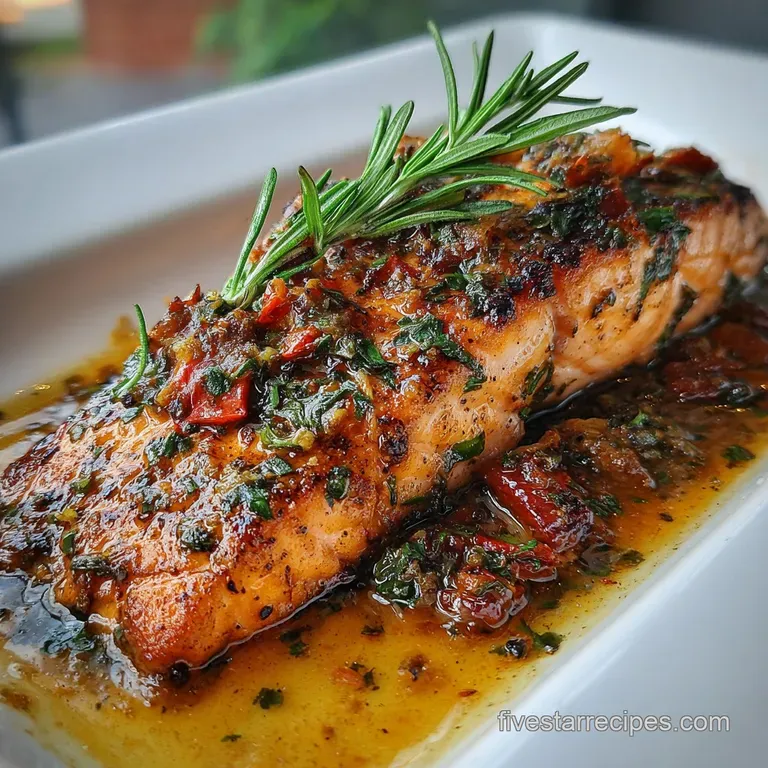
Achieving the Maillard Reaction
- Pat the 4 salmon fillets completely dry with paper towels. Note: Moisture is the enemy of a crisp sear.
- Season the flesh side of the fish with 1 tsp kosher salt and 1/2 tsp cracked black pepper.
- Heat 1 tbsp neutral oil in a large skillet over medium high heat until it begins to shimmer.
- Place salmon fillets skin side down (or flesh side down if skinless) and sear for 5 minutes until a golden brown crust forms.
Building the Aromatics
- Remove the salmon from the pan and set aside on a plate; lower the heat to medium.
- Add 2 tbsp unsalted butter to the pan drippings and stir until it stops foaming.
- Add 5 cloves minced garlic and 1/2 cup sun dried tomatoes, sautéing for 1 minute until fragrant and softened.
- Pour in 1/2 cup dry white wine to deglaze, scraping up the browned bits (fond) with a wooden spoon.
Marrying the Components
- Reduce the wine by half, then pour in 1.5 cups heavy cream and bring to a gentle simmer.
- Fold in 3 cups fresh baby spinach and stir until the leaves just begin to wilt.
- Stir in 1/2 cup grated Parmesan and 1 tsp lemon juice until the sauce thickens slightly and becomes velvety.
- Return the salmon to the pan, spooning the sauce over the top, and simmer for 2 minutes until the fish is heated through.
- Garnish with 1 tbsp fresh parsley and serve immediately.
Resolving Sauce and Texture Issues
Fixing a Broken Sauce
If you notice the sauce looks grainy or oily, the emulsion has "broken." This usually happens if the heat is too high or the cheese was added too quickly. To fix this, remove the pan from the heat immediately. Add a splash of cold heavy cream or a teaspoon of water and whisk vigorously.
The cold liquid helps bring the temperature down and re stabilizes the fat in-water suspension.
Preventing Rubbery Salmon
Overcooked salmon becomes tight, dry, and rubbery. This is often caused by leaving the fish in the pan for the entire duration of the sauce making process. By removing the fish after the initial sear and only returning it at the very end, you protect the delicate proteins from excessive heat.
| Problem | Root Cause | Solution |
|---|---|---|
| Skin sticks to pan | Pan wasn't hot enough | Heat oil until shimmering before adding fish. |
| Sauce is too thin | Not enough reduction | Simmer for 2 extra minutes before adding cheese. |
| Bitter garlic flavor | Garlic burned | Add garlic only after butter/oil has cooled slightly. |
Common Mistakes Checklist
- ✓ Forgetting to pat the fish dry (leads to steaming instead of searing)
- ✓ Crowding the pan (drops the temperature and prevents a crust)
- ✓ Using pre shredded Parmesan (contains cellulose that prevents smooth melting)
- ✓ Boiling the sauce aggressively after adding the cream (can cause curdling)
- ✓ Skipping the resting period for the fish (juices will leak out)
Sophisticated Flavor Profile Variations
If you are looking to scale this dish down for a solo dinner, simply use 1 fillet and reduce the sauce components by half. However, keep the garlic at 2 cloves trust me, the flavor needs that backbone.
For scaling up to a party of eight, work in two batches for the salmon to ensure the pan stays hot, then combine everything in a large braising dish.
Chef's Tip: If you are scaling up the liquid, reduce the wine by 10% more than usual to ensure the acidity doesn't overwhelm the larger volume of cream.
| Method | Fresh Ingredients | Shortcut Version | Impact |
|---|---|---|---|
| Garlic | Freshly minced cloves | Jarred minced garlic | Fresh is sharper; jarred is milder/sweeter. |
| Tomatoes | Sun dried in oil | Canned diced tomatoes | Sun dried provides a chewy, intense umami. |
| Spinach | Fresh baby spinach | Frozen spinach (thawed) | Frozen is denser; fresh provides a brighter color. |
Decision Shortcut
- If you want a deeper flavor, use a dry Sherry instead of Pinot Grigio.
- If you want a lighter version, swap half the heavy cream for chicken broth and add a cornstarch slurry.
- If you want a spicier kick, add 1/2 tsp red pepper flakes when sautéing the garlic.
Myths Regarding Creamy Pan Sauces
One common misconception is that you must use low-fat milk to make the dish "healthier." In reality, low-fat dairy lacks the stability of heavy cream and is much more likely to curdle when it hits the acidic wine and lemon juice. The high fat content in heavy cream acts as a buffer, ensuring a smooth, glossy finish.
Another myth is that you shouldn't cook with wine you wouldn't drink. While you don't need a $50 bottle, the wine's flavor concentrates as it reduces. If you use a "cooking wine" from the grocery store aisle, the high salt content will likely ruin the balance of your sauce.
Use a decent mid range Pinot Grigio or Sauvignon Blanc.
Preservation and Reheating Guidelines
Storage: You can keep leftovers in an airtight container in the refrigerator for up to 2 days. The sauce will thicken significantly as it cools, almost becoming a paste. This is normal.
Zero Waste: If you have leftover sauce but no fish, it makes an incredible base for a quick pasta dish. Toss it with some fettuccine and perhaps a few sautéed shrimp. If you have salmon scraps, flake them into a salad like my Healthy Mediterranean Chickpea recipe for a high protein lunch the next day.
Reheating: Avoid the microwave at all costs; it will turn the salmon into a rubber ball. Instead, place the salmon and sauce in a small skillet over low heat. Add a tablespoon of water or milk to loosen the sauce and cover the pan. Heat gently for 5-7 minutes until just warmed through.
Selecting Ideal Side Dish Pairings
When serving this creamy garlic butter tuscan salmon recipe, you want sides that can soak up that liquid gold of a sauce. A bed of garlic mashed potatoes or a simple alfredo penne works beautifully. If you're looking for something with a bit more crunch, a crusty baguette is essential for swiping the plate clean.
For a balanced meal, I often pair this with a crisp green salad or roasted asparagus. The acidity in the sauce also makes it a great companion to poultry if you have guests who don't eat fish. In that case, you might consider using the same sauce technique with my Honey Garlic Glazed recipe for a diverse but cohesive dinner spread. Whatever you choose, ensure the sides are relatively simple so the complex flavors of the Tuscan sauce remain the star of the show.
High in Sodium
840 mg mg of sodium per serving (37% % of daily value)
The American Heart Association recommends limiting sodium intake to about 2,300mg per day.
Tips to Reduce Sodium in Your Salmon Recipe
-
Rinse and Reduce Sun-Dried Tomatoes-20%
Sun-dried tomatoes in oil are a significant source of sodium. Rinse them thoroughly under water before chopping. Better yet, use sun-dried tomatoes without oil and rehydrate them. This can reduce sodium by up to 20%.
-
Limit or Replace Parmesan-15%
Parmesan cheese is high in sodium. Reduce the amount used, or substitute with a low-sodium cheese like fresh mozzarella or ricotta. This substitution can reduce sodium by approximately 15%.
-
Reduce Added Salt-10%
Reducing the amount of kosher salt added to the recipe, even by half, can significantly lower the sodium content. Start with 1/2 tsp and adjust to taste after cooking. This simple change can reduce sodium by up to 10%.
-
Use Low-Sodium Wine-5%
While wine doesn't contribute a HUGE amount of sodium, choosing a lower sodium option when available can contribute to a slightly healthier dish. Look for wines with under 10mg of sodium per serving.
-
Enhance with Lemon
Increase the amount of lemon juice to enhance the flavor profile without needing extra salt. The acidity brightens the dish.
-
Spice It Up!
Experiment with sodium free herbs and spices like dill, paprika, onion powder, or garlic powder to enhance the flavor of the salmon and reduce the need for salt. Fresh herbs are especially effective!
Recipe FAQs
Can I use frozen salmon fillets instead of fresh?
No, thawing is essential first. Frozen fish releases excessive water during cooking, which steams the fillet and prevents the crucial Maillard reaction crust from forming.
How do I prevent the Parmesan cheese from making my sauce grainy?
Remove the pan from the heat before stirring it in. Add the cheese slowly, whisking constantly once the pan is off the burner; high heat causes the milk proteins to separate from the fat.
What is the target internal temperature for perfectly cooked salmon?
Pull the salmon off the heat at 135°F. Due to carryover cooking, it will reach the ideal flaky texture (around 140°F) after resting for about four minutes.
How to achieve a non-stick, golden brown sear on the salmon skin?
Heat a neutral oil until it shimmers in a heavy skillet. Ensure the salmon skin is completely patted dry before placing it presentation side down and leaving it undisturbed for a full five minutes.
Is it true that using extra virgin olive oil for searing is best?
False. Extra virgin olive oil has a low smoke point and will burn easily over the high heat required for a proper sear, creating a bitter flavor in your sauce base.
What can I substitute for dry white wine to deglaze the pan?
Use chicken broth mixed with a squeeze of lemon juice. This mimics the necessary acidity that cuts through the richness of the heavy cream and butter components.
How long should I sauté the minced garlic before adding liquid?
Sauté for only one minute after the butter foams. Garlic burns rapidly, and if it turns brown, it releases bitter compounds that ruin the aromatic foundation of the sauce.
Creamy Tuscan Salmon Recipe
Ingredients:
Instructions:
Nutrition Facts:
| Calories | 862 kcal |
|---|---|
| Protein | 42g |
| Fat | 68g |
| Carbs | 14g |
| Fiber | 2.5g |
| Sugar | 6g |
| Sodium | 840mg |
